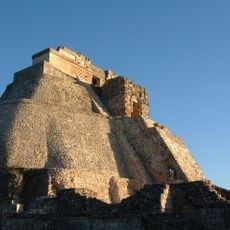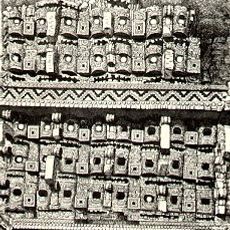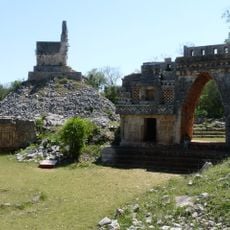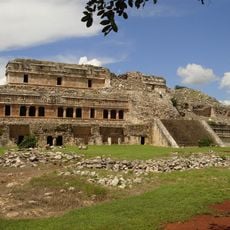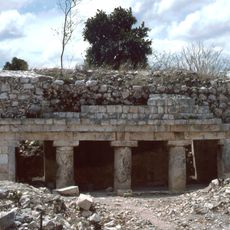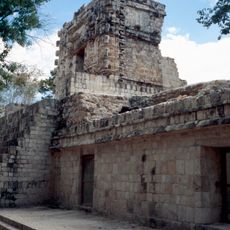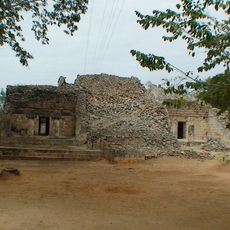
Chunhuhub, Maya-Ausgrabungsstätte in Campeche, Mexiko.
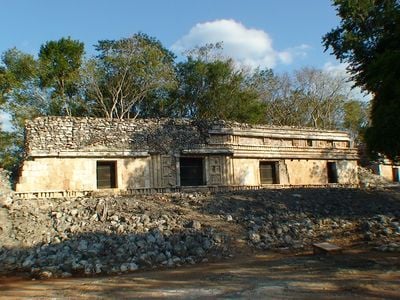
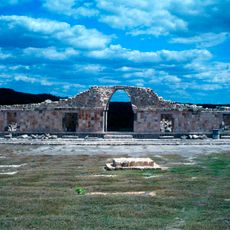
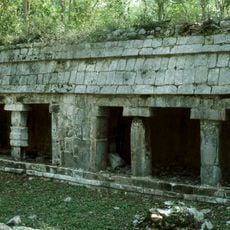
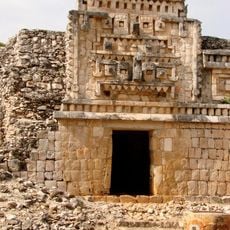
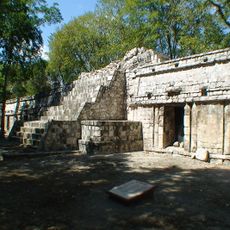
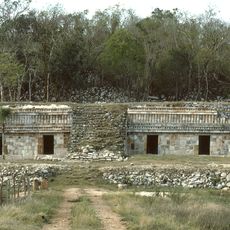
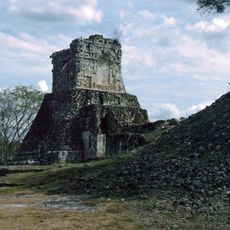
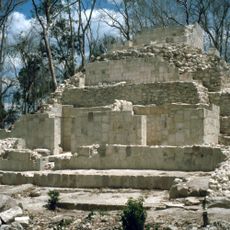
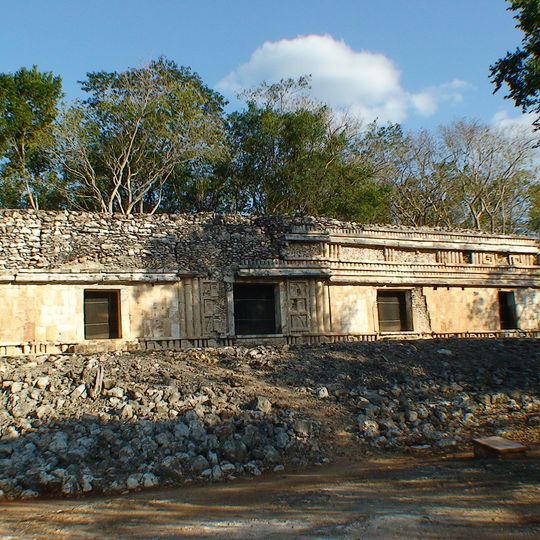
Chunhuhub is an archaeological site in Campeche featuring a main palace with distinctive vaulted chambers on two levels, decorated with geometric patterns and animal sculptures across its facades. The structure spans a considerable area with multiple interior spaces and carved details that showcase construction methods typical of the Puuc architectural style from ancient Maya civilization.
The site was first systematically documented in the early 1900s by an Austrian explorer who remained in the Yucatan region after European political changes displaced him. The palace and surrounding structures represent centuries of Maya occupation and building activity in this part of Campeche before the civilization declined.
The walls of the palace preserve original stucco finishes and decorative elements that demonstrate the sophistication of Maya architectural techniques in the Puuc region. These details reveal how builders integrated decoration into the structure itself, creating surfaces that catch light and shadow as you walk past them.
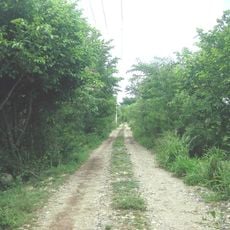
The location sits about 23 kilometers from the nearest town and requires traveling along rural roads to reach the ruins, so plan for limited infrastructure and bring water for your visit. You will find the area more accessible during the dry season when roads and ground conditions are more manageable for exploration.
The main palace displays contrasting light and dark sections across its facades, created by the varied stone coloring and the way carved figures and scrolls catch the sun throughout the day. This interplay of shadow and tone gives the building a dynamic quality that changes as you move around it from different angles.
Die Community neugieriger Reisender
AroundUs vereint tausende ausgewählte Orte, lokale Tipps und versteckte Schätze, täglich bereichert von über 60,000 Mitwirkenden weltweit.